




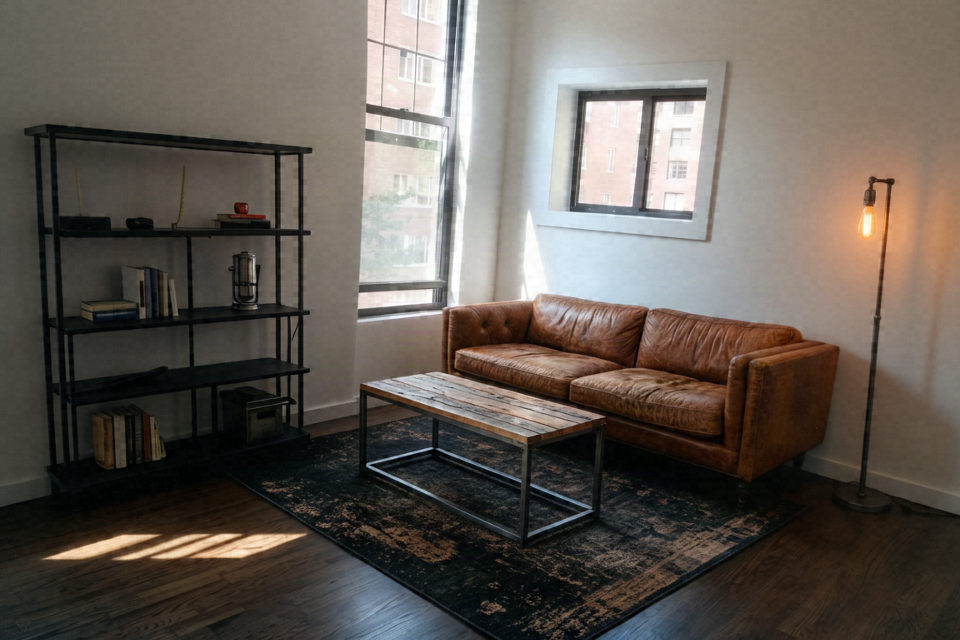




What virtual staging changes, and what it must not
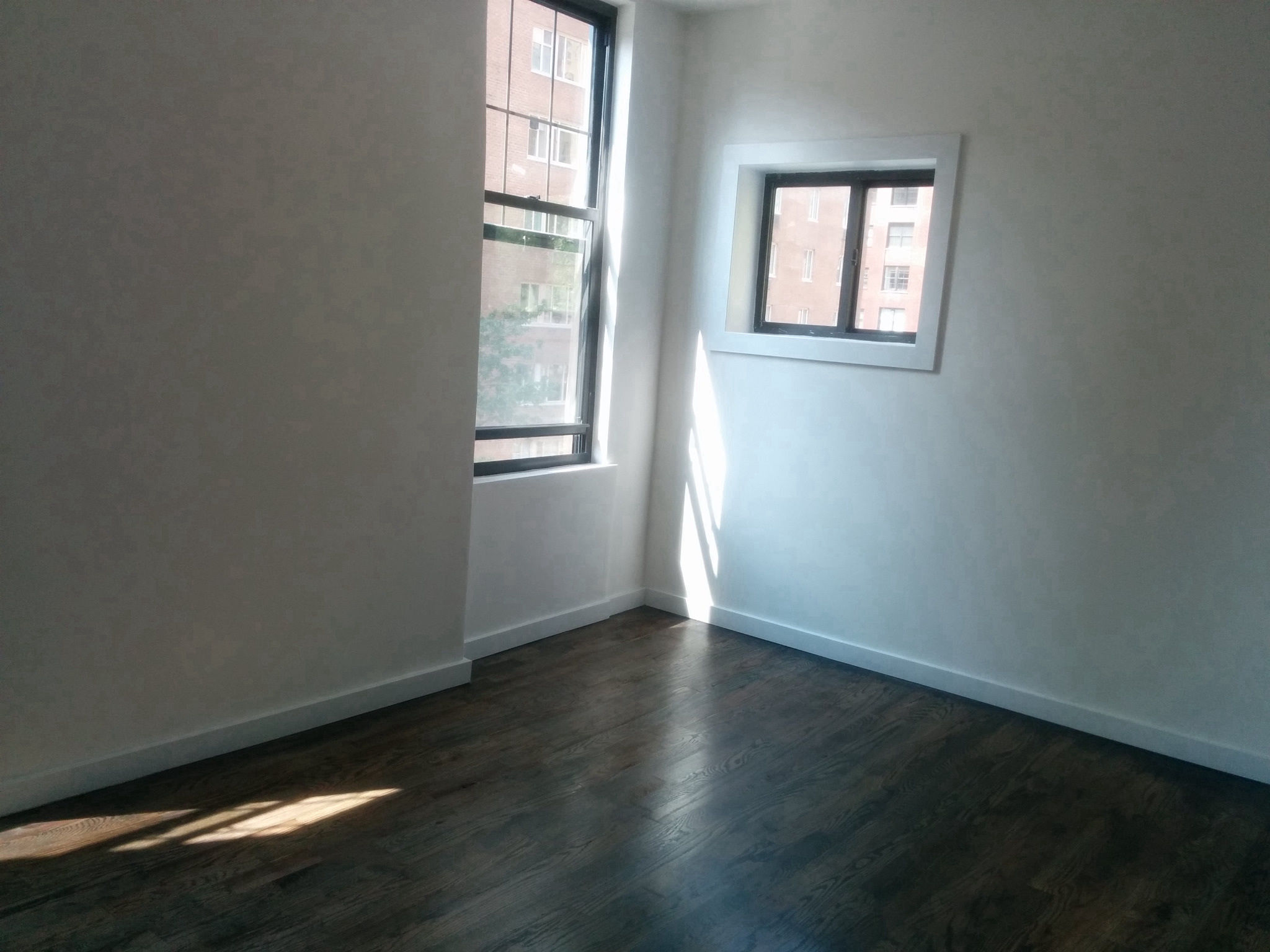
Staging adds furniture. It does not repaint, re-tile, re-floor or renovate, and the difference is not stylistic — it is the line between a marketing image and a misrepresentation. A buyer who arrives to find different flooring has been misled in a way that a buyer who arrives to find no sofa has not.
That is why the room itself is held. Wall colour, flooring, window position, mouldings, radiators and every built-in fixture are named in the instruction before any furniture is mentioned, and every render is compared against your original afterwards. Renders that altered the room are discarded before you see them.
Why the furniture list matters
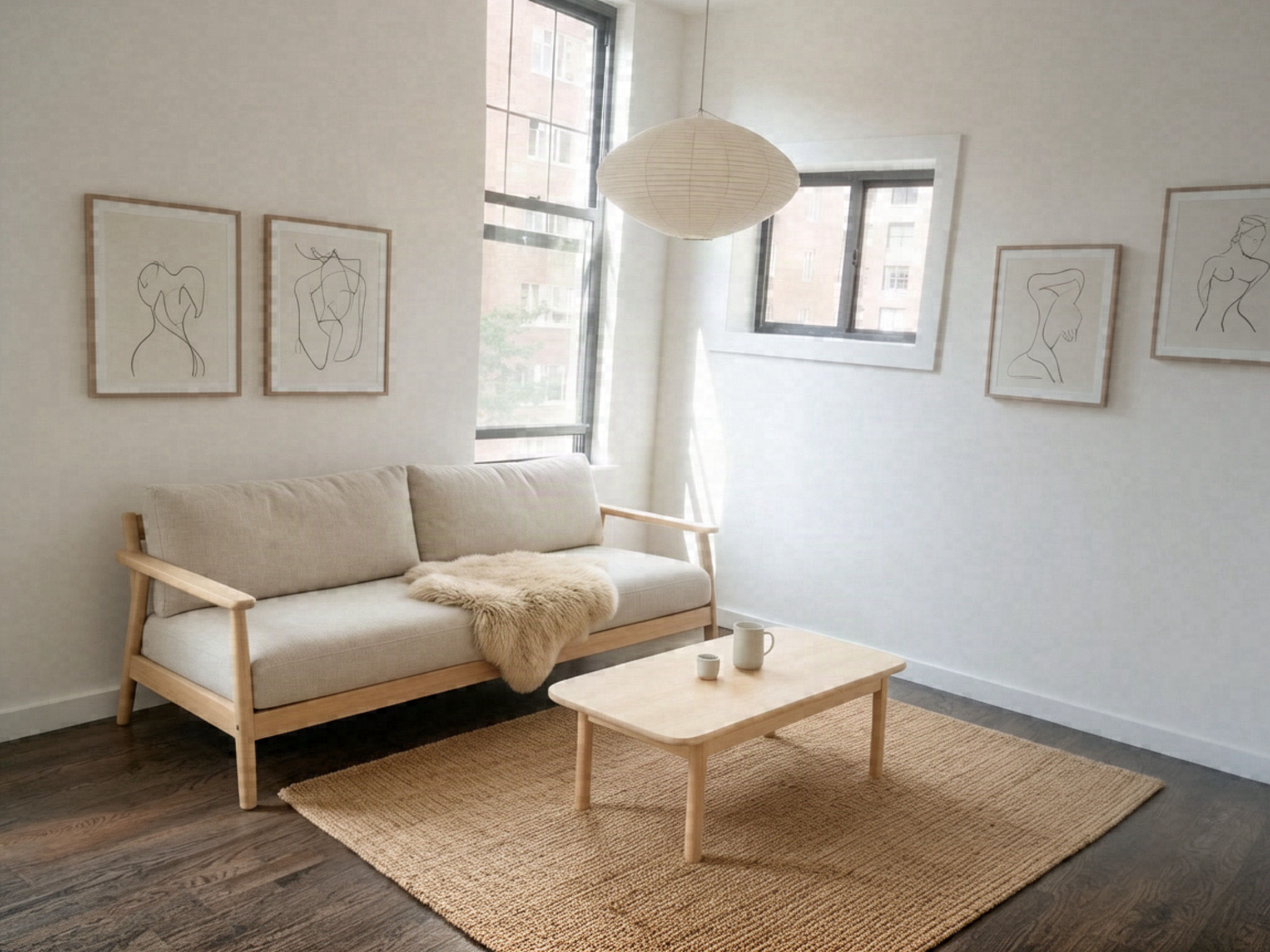
Asking a model to "make it Scandinavian" produces generic showroom staging, because a style adjective gives it nothing concrete to place. Asking for a light oak framed sofa in oatmeal linen, a pale birch coffee table, a sheepskin throw and a jute rug produces a room.
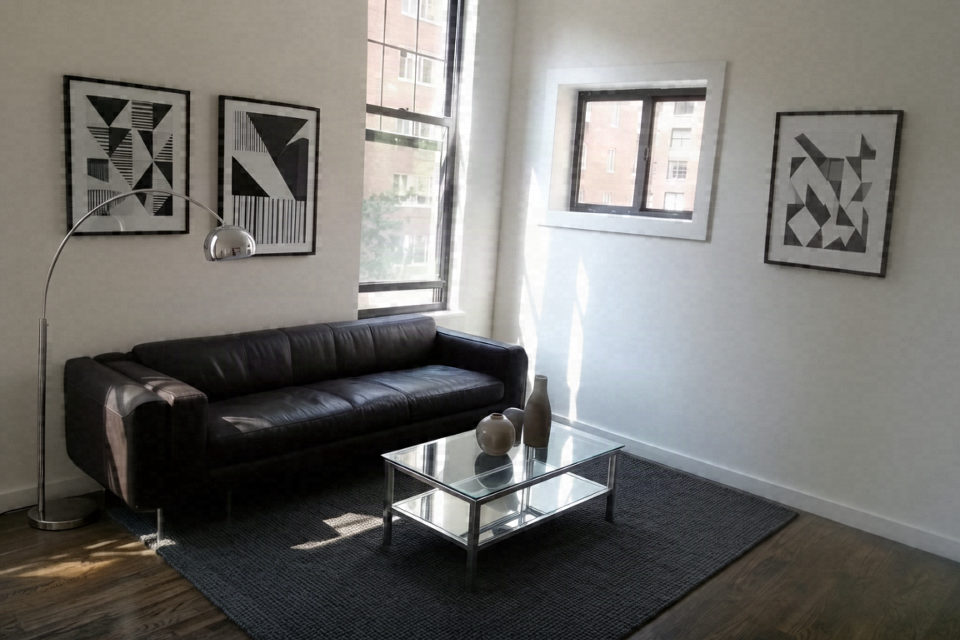
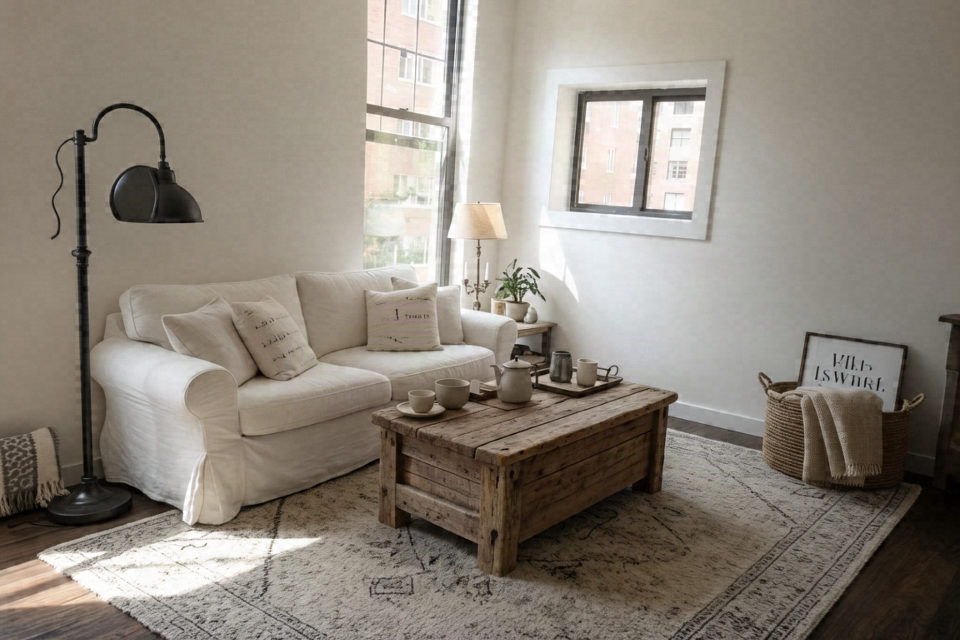
Each of the twelve styles names its actual pieces. You can read the list on each style's page, and the render you see there is that instruction run against a real empty room — the same room every time, which is what makes the styles comparable rather than merely decorative.
The two complaints everyone else earns
Across review sites, the two failures that come up more than any others are furniture that does not fit the room and furniture that does not touch the floor. A sectional eating two-thirds of a small living room, a bed scaled for a space twice the size, legs hovering above the boards, a rug sliding under a wall.
Both are addressed in the instruction and both are visible in the output, so they are worth checking on the comparison above: the sofa sits on the floor, casts a shadow consistent with the window light, and leaves walking space around it.