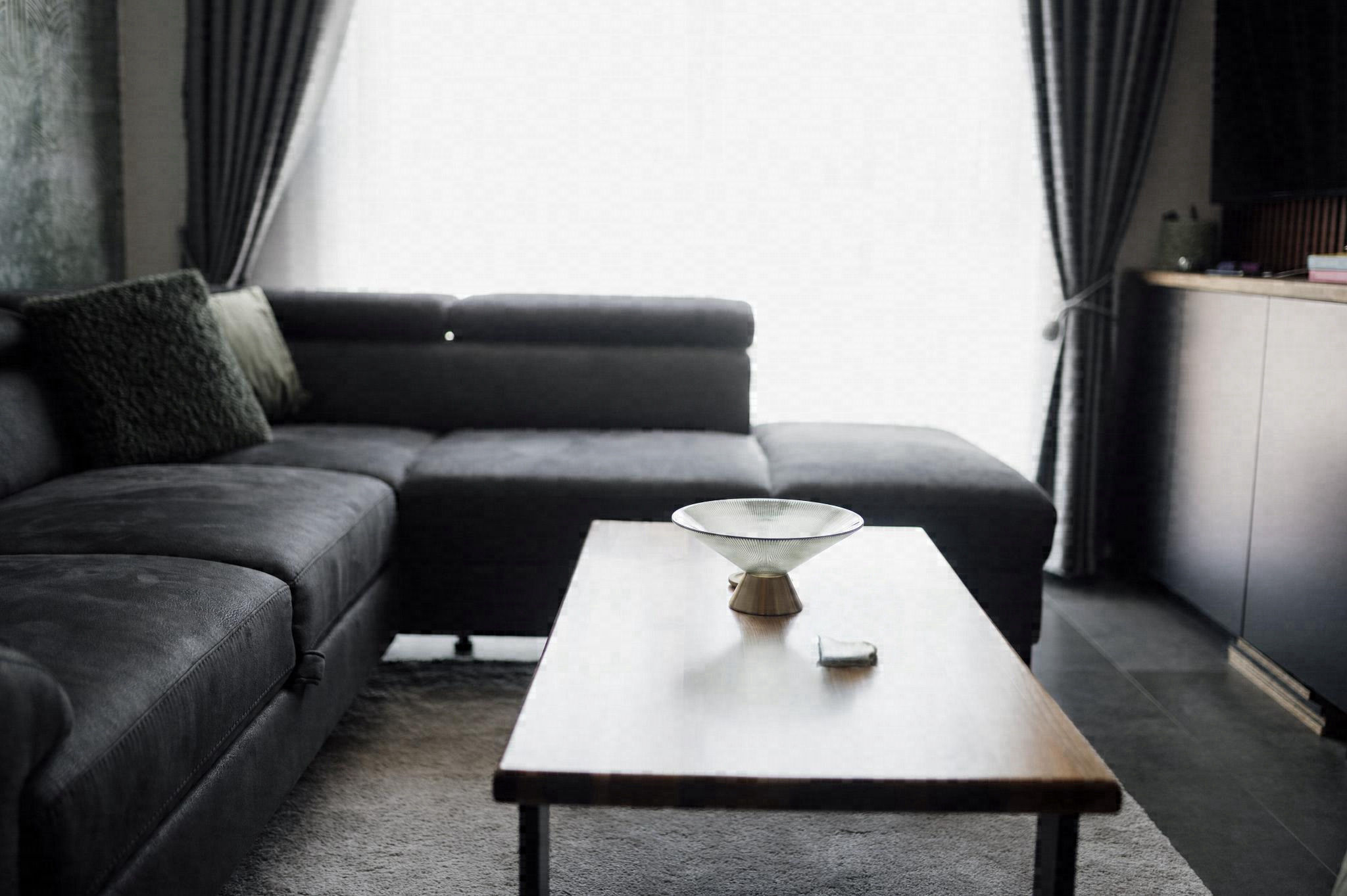
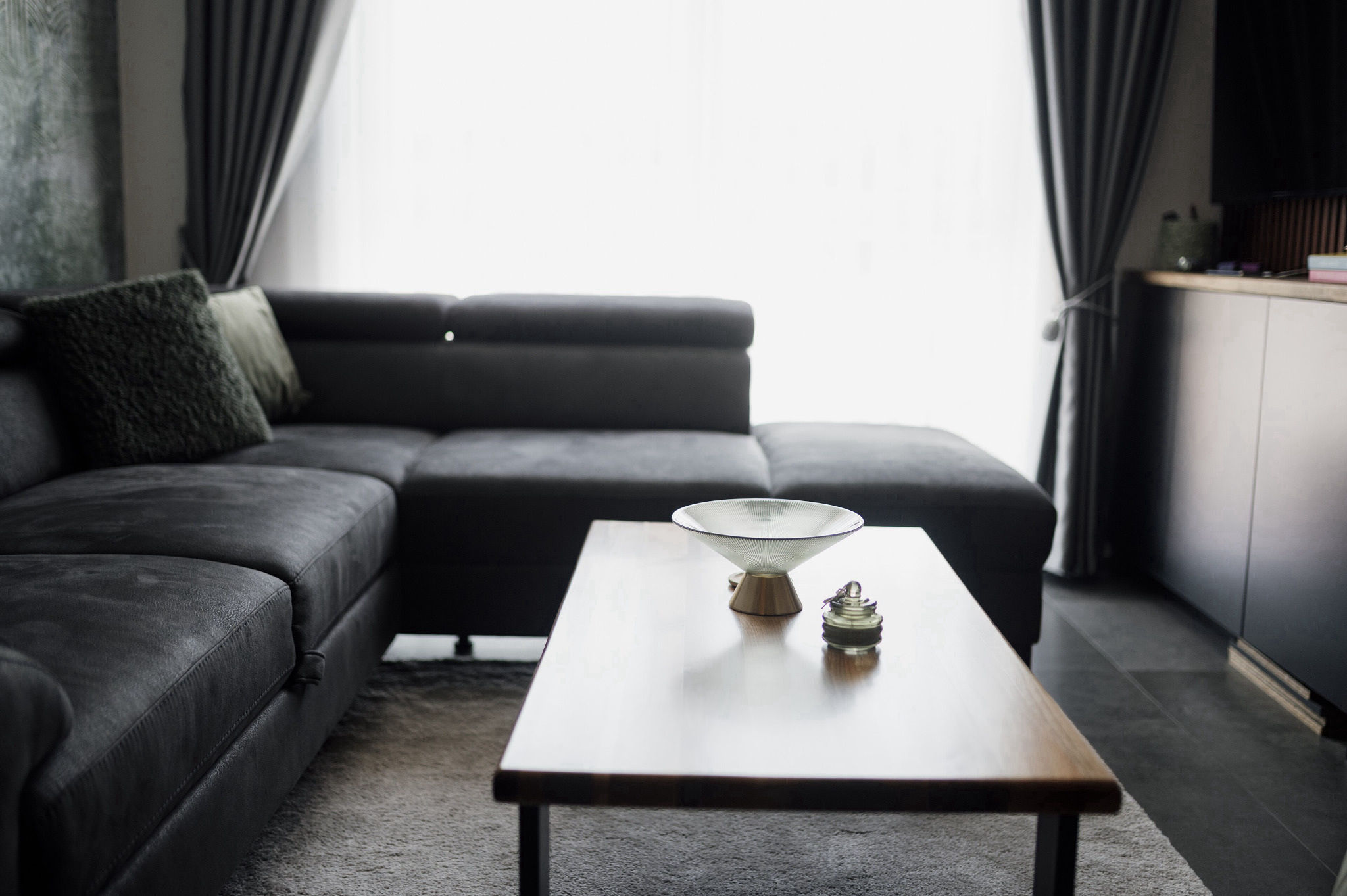
Removing objects without redecorating
The naive approach is to ask a model to remove the clutter and hope. What comes back is a re-imagined room: similar, plausible, and not the property you photographed.
So removal here is mask-driven. Each object is segmented, the regions are combined and grown slightly, and an inpainting model reconstructs only what was behind them. Everything outside that region is untouched by construction — and we verify it, measuring both structure and colour outside the erased area specifically. A render that repainted a wall while removing a mug fails that check.
Why the mask is grown before erasing
A segmentation boundary sits tight against the object, which leaves its contact shadow, its reflection on a polished floor, and a rim of colour bleed just outside the mask. Erase without growing the region and you remove the object but keep the shadow of it — a distinctive artefact, and an obvious one.
The line we will not cross
Clutter is a laundry basket, a phone charger, a stack of post. A defect is damp, a crack, peeling paint, a stain. Removing the first is tidying; removing the second is concealing a defect, which several markets prohibit outright and no disclosure cures. This tool is built for the first.